

Amateur travelers blindly book tickets to North Texas without checking the airport code, assuming the geography is identical. That is a massive, costly delusion that will completely ruin your vacation. The region operates two completely different aviation fortresses that dictate your ground transit time, budget, and overall sanity. If you want to survive the chaos and stop bleeding cash on highway tolls, you must master the DFW vs. Dallas Love Field debate.
Dallas/Fort Worth International is a gigantic, twenty-six-square-mile logistical fortress. It dominates the global aviation grid, completely dwarfing standard domestic hubs. You are dealing with massive, multi-terminal infrastructure explicitly engineered to launch heavy wide-body jets across the ocean. It demands absolute tactical precision to navigate without missing your flight.
This massive hub operates as American Airlines' primary global stronghold. It forcefully processes millions of travelers, deploying an internal train system just to move bodies between the sprawling concourses. If you fail to map your terminal arrival, the sheer physical scale of the concrete footprint will completely hamper your schedule.
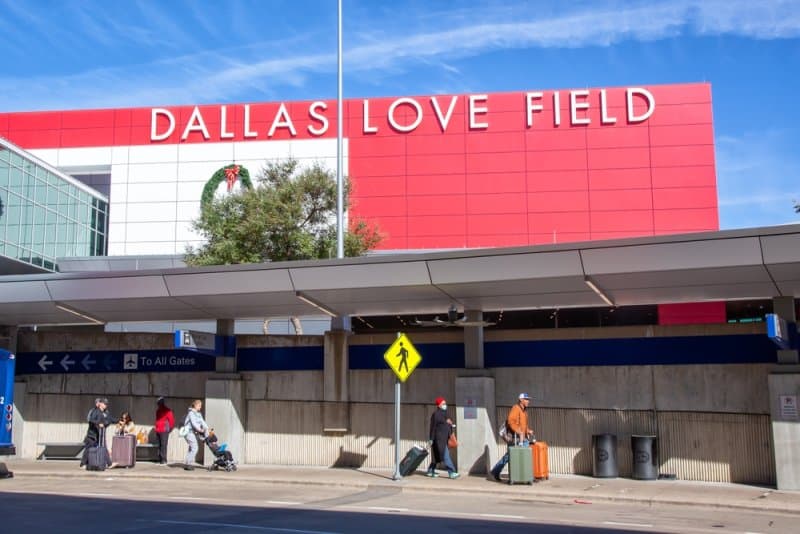
Dallas Love Field is an efficient and highly tactical urban launchpad. It sits entirely within the physical city grid, reducing transit times for anyone targeting the downtown area. You bypass the massive sprawl of legacy airports, dealing with a highly streamlined terminal designed for high-speed domestic execution.
Southwest Airlines maintains absolute, undisputed dominance over this specific tarmac. Strict federal flight restrictions have historically limited heavy international expansion, keeping the focus entirely on rapid, point-to-point domestic strikes. If you want to bypass massive international crowds, this compact fortress is your absolute best operational choice for rapid survival.
Amateurs blindly book a ticket without analyzing the physical realities of these two distinct hubs. You must compare the exact tactical layouts to avoid walking into a massive logistical nightmare.
| Tactical Metric | DFW Airport | Dallas Love Field (DAL) |
| Physical Location | Dead center between Dallas and Fort Worth | planted right inside the Dallas city limits |
| Target Audience | Heavy international travelers and massive global transit | Rapid domestic flyers executing short-haul urban strikes |
| Airline Monopoly | American Airlines commands total corporate dominance. | Southwest Airlines completely dictates the flight board. |
| Security Bottleneck | Massive, multi-terminal TSA gauntlets | A single, heavily concentrated centralized checkpoint |
You cannot flip a coin to decide your transit hub. You must calculate these specific logistical factors to guarantee you survive the trip without bleeding cash.
If you are leaving the country, the choice is already made. You must forcefully deploy to DFW to access massive wide-body jets and global customs operations that DAL cannot legally provide.
If your hotel is locked downtown, DAL fully dominates DFW in travel time. You must plan a Dallas airport location comparison to avoid paying a $100 rideshare toll just to cross the massive metroplex.
If you refuse to pay premium legacy fares, you must target the DFW vs. DAL airport dynamic. Southwest's absolute dominance at DAL often forces a cheaper, high-speed ticket compared to the heavily inflated corporate DFW pricing structure.
Flying blind into North Texas guarantees you will spend massive amounts of money trapped in highway gridlock. Mastering the differences between DFW and Love Field forcefully shields your wallet and your timeline.
Landing thirty miles away from your meeting guarantees financial ruin. You must map the Dallas Love Field vs. DFW Airport distance to block corporate cab companies from completely draining your cash on the highway.
DFW requires you to select the exact correct terminal checkpoint, or you will miss your flight. DAL forces everyone into a massive and central chokepoint. You must adjust your arrival timeline based on these physical realities.
Booking a connection that requires you to transit between these two airports is absolute logistical suicide. You must strictly lock down the DFW Airport vs Dallas Love Field layout to completely avoid a catastrophic missed connection across the city.
You cannot treat the North Texas aviation grid like a generic bus stop. The physical footprint of these two locations is massive, and ignoring their operational realities will sabotage your trip. To extract the best and maximum value from your ticket and survive the transit, you must weaponize the DFW vs Dallas Love Field comparison.
If you demand massive international reach, DFW is your absolute requirement. If you want a high-speed strike directly into the downtown core without dealing with massive terminal train systems, Love Field dominates the tactical advantage.
DFW is a gigantic, multi-terminal global hub heavily controlled by American Airlines. Dallas Love Field is a compact, single-terminal urban airfield monopolized by Southwest Airlines, engineered exclusively for rapid domestic hops and quick city access.
Absolutely. Love Field is embedded just 7 miles from the downtown core, making a massive reduction in your Uber bill. DFW sits outside the city limits, demanding a grueling transit that will drain your time.
No. Federal regulations restrict Love Field to North American airspace. If you intend to cross an ocean or execute a massive global strike into Europe or Asia, you are forced to deploy out of DFW.
DFW completely dominates the rail infrastructure. The DART Orange Line drops you directly inside Terminal A, bypassing highway traffic. Love Field requires a cumbersome bus transfer to reach the train station, hampering your speed.
Yes. When an ice storm hits, both facilities shut down. However, because DFW operates massive fleets of wide-body jets, the logistical recovery time is drastically longer, leaving you trapped in the terminal.
This content was created by AI