

Amateur travelers blindly drag massive suitcases into the terminal, assuming the airline will politely handle their logistics. That is a massive, expensive delusion. The aviation industry heavily weaponizes luggage policies, transforming your personal gear into a corporate revenue stream. If you want to survive the modern airport gauntlet without bleeding cash, you must master the battle of carry-on vs. checked baggage.
This is your absolute tactical survival kit. Carry-on luggage is the specific physical gear you drag past the TSA checkpoints and store inside the overhead bins of the aircraft cabin. It guarantees total logistical control, ensuring your expensive electronics, vital medications, and immediate clothing remain secured within your personal airspace throughout the entire flight.
Executing a strict carry-on luggage vs. checked luggage strategy shields you from corporate incompetence. Because the bag never enters the airline's chaotic subterranean cargo network, it cannot be lost or damaged by automated sorting belts. You completely bypass the baggage claim bottleneck, forcing a high-speed exit from the airport.
This represents total logistical surrender. Checked baggage is the massive, heavy-duty hardware you hand over to the ticketing agent before security. It is thrown into the aircraft’s freezing cargo hold, completely removing your access to its contents during the flight and placing your survival gear entirely at the mercy of ground handlers.
While it frees your hands to navigate the crowded terminal, it introduces a massive tactical vulnerability. You are forced to wait at the chaotic destination carousel, praying your suitcase survived the transit. It also triggers massive corporate fee structures, draining your travel budget just for the privilege of moving heavy cargo.
You cannot blindly guess which logistical path to take at the airport. You must analyze these tactical differences to completely dominate your transit without suffering massive financial penalties.
Airlines charge massive fees for cargo space. A checked bag drains your wallet both ways, while a tactical carry-on completely bypasses these corporate extortion fees on legacy carriers.
Checked cargo forces you to arrive an hour earlier to stand in massive check-in lines. A carry-on allows you to bypass the front desk entirely and march directly to the TSA scanners to secure your gate.
Carry-on bags prioritize strict physical dimensions over weight, restricting your liquid payload. Checked bags focus on heavy payload mass, allowing you to legally transport huge liquids, sporting equipment, and dangerous tools completely banned from the cabin.
Airlines do not forgive packing errors; they penalize them. You must memorize these checked baggage rules to shield your wallet from catastrophic corporate fees at the counter.
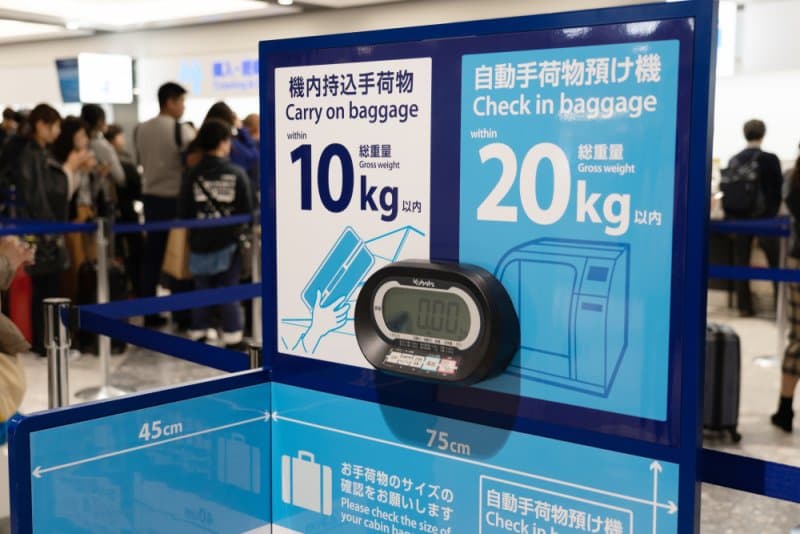
The industry standard for the domestic economy is heavily enforced. If your bag tips the scales past the standard checked baggage weight limit of 50 pounds (23 kg), the airline will hit you with a massive hundred-dollar overweight penalty.
You cannot check a massive refrigerator box. The physical dimensions (length plus width plus height) must remain under 62 linear inches, or you will suffer massive oversize fees that completely dwarf your ticket price.
You cannot bury heavy-duty electronics in the cargo hold. Federal regulations prohibit loose lithium power banks in checked luggage to prevent catastrophic, uncontrollable cargo fires at thirty thousand feet.
Do not assume you can drag any bag onto the plane. You must conform to these carry-on luggage restrictions or face a gate-check execution by the flight crew.
You must limit your hardware to the carry-on luggage size limits of 22 x 14 x 9 inches. If it fails to drop into the metal sizer box at the gate, the agent will help you to check it and pay a massive penalty.
You cannot haul full-sized shampoo into the cabin. TSA enforces the rule: all liquids must be in 3.4-ounce containers or smaller, shoved into a single, clear quart-sized bag to bypass the federal scanners.
Bringing a legal bag does not guarantee space. If you board late, the bins will be full, and the crew will strip your bag from you, forcing a mandatory gate-check regardless of how perfectly you packed your gear.
You cannot blindly pack a suitcase and pray the airline logistics work in your favor. The entire aviation infrastructure is engineered to extract fees from unprepared travelers. To survive the airport gauntlet and protect your wallet, you must master the dynamics of carry-on vs. checked baggage.
Carry-on gear remains under your physical control inside the aircraft cabin, while checked baggage is surrendered at the ticket counter and loaded into the freezing, inaccessible subterranean belly of the plane, completely out of your reach.
It absolutely dominates checked baggage for speed. It shields you from lost luggage nightmares and lost time at the carousel, but it impacts your ability to transport heavy winter gear or full-sized liquid hygiene products.
Carry-on bypass fees and carousel waits, but force you to haul your own gear through massive terminals. Checked bags free your hands for terminal transit but expose you to heavy corporate fees and catastrophic lost-luggage risks.
Absolutely. Carriers like United and JetBlue heavily weaponize their cheapest fares by restricting you to a single under-seat personal item, charging you massive gate-check fees if you attempt to board with a standard overhead suitcase.
Yes, but you must execute a strict federal protocol. The weapon must be unloaded, locked inside a hard-sided, heavy-duty container, and declared to the ticketing agent. You can never sneak it through a cabin TSA checkpoint.
You are completely separated from your survival gear. The airline will lock your checked baggage in a secure holding facility, allowing you to survive a massive overnight hotel delay without a single change of clothes or your essential toiletries.
This content was created by AI